


Commercial Real Estate in Sedona: What Buyers & Investors Need to Know in 2026
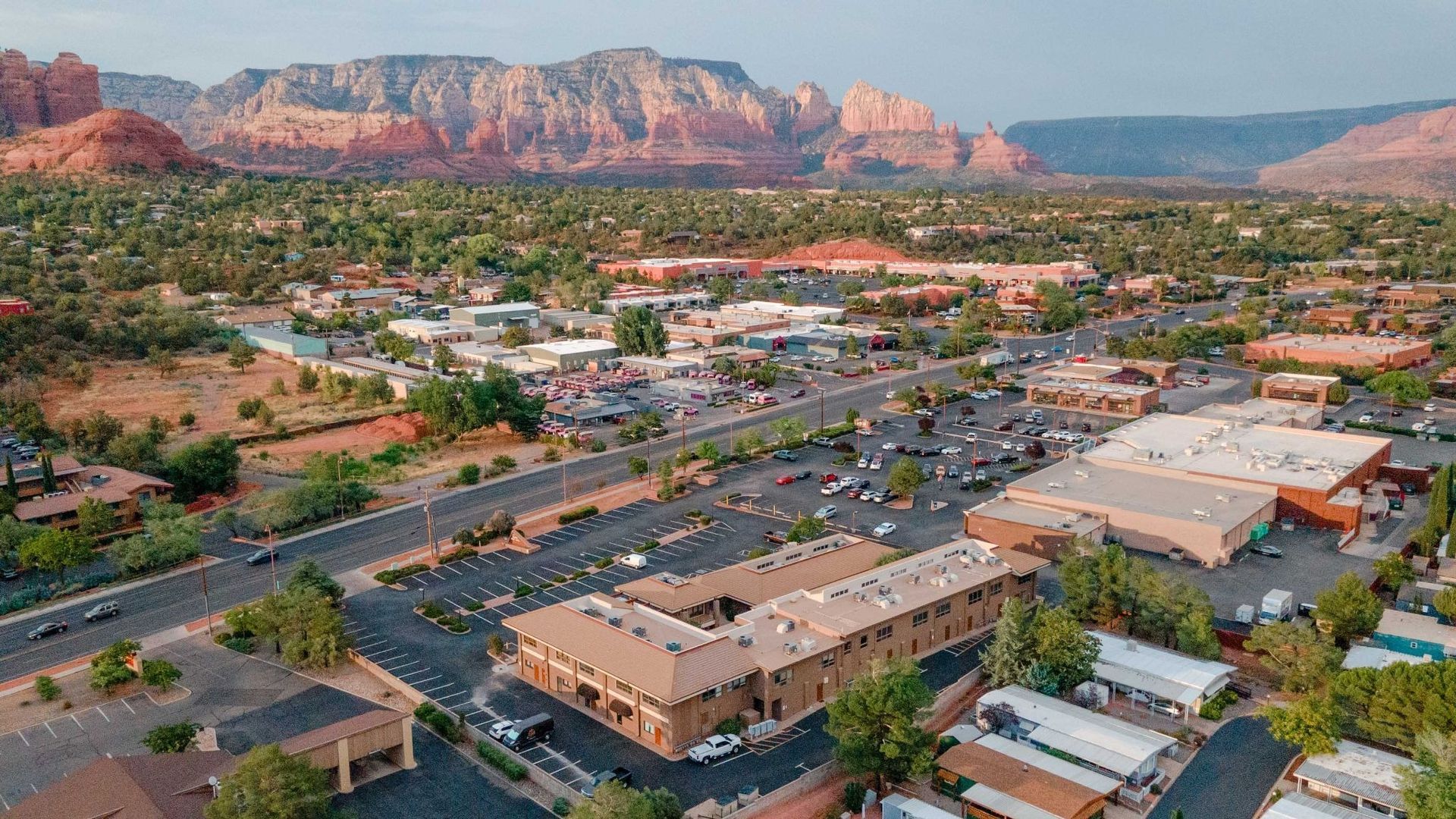
Commercial real estate in Sedona offers opportunities that are difficult to find in larger, more standardized markets. The area combines a globally recognized visitor destination with an established local business community, limited commercial inventory and strict development standards designed to protect Sedona’s distinctive character.
Those qualities can make a well-positioned property valuable to an owner-user or investor, but they also make careful research essential.
A commercial property that appears promising based on its location or public listing may still present questions involving zoning, permitted use, parking, access, lease terms, operating expenses or future improvements. Successful buyers need to evaluate the entire opportunity, not simply the building and asking price.
Here is what buyers and investors should understand about the Sedona commercial property market in 2026.

What Is Shaping Sedona Commercial Real Estate in 2026?
Sedona’s commercial economy is closely connected to tourism, hospitality, retail, restaurants, professional services and the businesses that support local residents.
Recent city tax reports indicate continued economic activity. Sedona reported that its combined March 2026 sales and bed-tax collection was 17% higher than in March 2025 and represented the highest combined March total recorded during the previous 10 years. Retail collections increased 15%, hotel and motel sales and bed-tax collections increased 17%, and leasing collections increased 15% year over year.
April provided a more nuanced picture. Hotel and motel sales and bed-tax collections were 9% higher than in April 2025, but traditional hotel occupancy declined by 7.2% while average daily room rates increased by 9.1%.
For commercial buyers, these mixed indicators are a reminder that broad headlines do not tell the whole story. Performance can differ considerably among retail, lodging, office, restaurant, mixed-use and service-oriented properties.
A successful investment decision should therefore be based on the specific property, its location, income, tenants, expenses and potential uses, not on tourism numbers or market sentiment alone.
Why Sedona Is a Highly Localized Commercial Market
Commercial property is always location-specific, but Sedona takes that principle to another level.
Two properties located only a short distance apart may have very different visibility, access, parking, zoning, traffic patterns or redevelopment potential. A property along State Route 89A may serve a different customer base than one in Uptown Sedona, West Sedona, the Village of Oak Creek or another Verde Valley community.
Commercial inventory is also limited. Buyers may not see a large number of comparable properties publicly available at the same time. That makes it especially important to consider:
- Recently completed sales
- Properties currently under contract
- Upcoming listings
- Off-market conversations
- Lease activity
- Local operating trends
- Property-specific development constraints
Public listing platforms are useful, but they do not always reveal the full context behind a transaction. Local relationships and firsthand market knowledge can help a buyer understand how a property compares with opportunities that may not yet be visible to the general public.
Buyers can begin by reviewing current commercial properties for sale in Sedona and the Verde Valley. McMahon & Miller’s current inventory includes opportunities for owner-users and investors, while its recently closed transactions demonstrate experience across income property, retail, office, restaurant, fuel, land and mixed-use assets.
Which Types of Commercial Property May Offer Opportunity?
The right property type depends on the buyer’s goals, operating experience, financing and intended holding period.
Owner-User Properties
An owner-user purchases a property primarily to operate a business from it. This approach may give the business more control over occupancy costs, improvements, branding and long-term use.
However, buyers should compare the complete cost of ownership with the cost and flexibility of leasing. The analysis should include financing, taxes, insurance, maintenance, repairs, association fees and future capital improvements.
Businesses that are not ready to buy can also review commercial properties available for lease before deciding which occupancy strategy best supports their operations.
Income-Producing Properties
An investment property may generate income through one or several commercial tenants. Buyers should study the rent roll, lease expiration dates, renewal options, expense responsibilities, vacancies, tenant history and expected capital needs.
The advertised rent is only one part of the analysis. A buyer needs to understand the property’s net operating income and whether current income is sustainable under realistic assumptions.
Retail and Restaurant Properties
Sedona’s visitor activity can make retail and restaurant locations attractive, particularly when they offer visibility, convenient access and adequate parking.
These properties can also involve specialized considerations. Buyers may need to review kitchen infrastructure, grease interceptors, ventilation, utility capacity, outdoor seating rules, alcohol-related requirements, signage and whether the proposed use is allowed.
Office and Mixed-Use Properties
Office properties may serve professional, medical, financial or local service businesses. Mixed-use buildings can provide multiple income sources, but each use must be evaluated separately.
Buyers should examine tenant compatibility, access, parking allocation, utility arrangements and whether any residential or short-term rental component complies with applicable rules.
Commercial Land and Redevelopment Opportunities
Vacant land or an underused property may offer flexibility, but its potential depends heavily on zoning, infrastructure and development standards.
A conceptual plan is not the same as an approved use. Before assigning value to a redevelopment idea, buyers should determine what can realistically be built, how long approvals may take and what site work or public improvements may be required.

Zoning and Permitted Use Should Be Investigated Early
One of the most important steps in purchasing commercial real estate in Sedona is confirming that the property supports the buyer’s intended use.
Sedona’s Land Development Code regulates zoning districts, allowed uses, development standards, signage, subdivision requirements and administrative procedures. The city describes the code as a tool for preserving Sedona’s scenic beauty and unique community character.
Depending on the property and proposed business, buyers may need to investigate:
- Whether the intended use is permitted
- Whether a conditional use permit is required
- Parking requirements
- Building height and setback limits
- Sign regulations
- Access and circulation
- Outdoor display or seating restrictions
- Landscaping requirements
- Development-review procedures
- Existing legal or nonconforming uses
The city’s code assigns properties to zoning districts and establishes standards such as allowed uses, minimum lot size, maximum building height and minimum yard depth.
Buyers should review the City of Sedona’s zoning information and Sedona Land Development Code, but online research should not be treated as a substitute for property-specific verification.
A commercial broker familiar with local zoning can help identify issues early and direct buyers to the appropriate city departments and qualified professionals.
Analyze the Property’s Financial Performance
For an income-producing property, the analysis should begin with verified financial information.
Important records may include:
- Current rent roll
- Executed leases and amendments
- Historical operating statements
- Utility expenses
- Property insurance
- Repair and maintenance history
- Property management costs
- Association fees
- Capital improvement records
- Tenant reimbursements
- Vacancy and collection history
Buyers should determine which expenses are paid by the landlord and which are passed through to tenants. Terms such as gross, modified gross, triple net and absolute net can create very different responsibilities.
The buyer should also test different scenarios. What happens if a tenant does not renew? Are rents above or below the current market? Will the property require a roof, HVAC or parking-lot replacement? How would a period of vacancy affect the return?
Careful underwriting helps distinguish an attractive-looking property from one that fits the buyer’s actual risk and return requirements.
Complete Thorough Physical and Legal Due Diligence
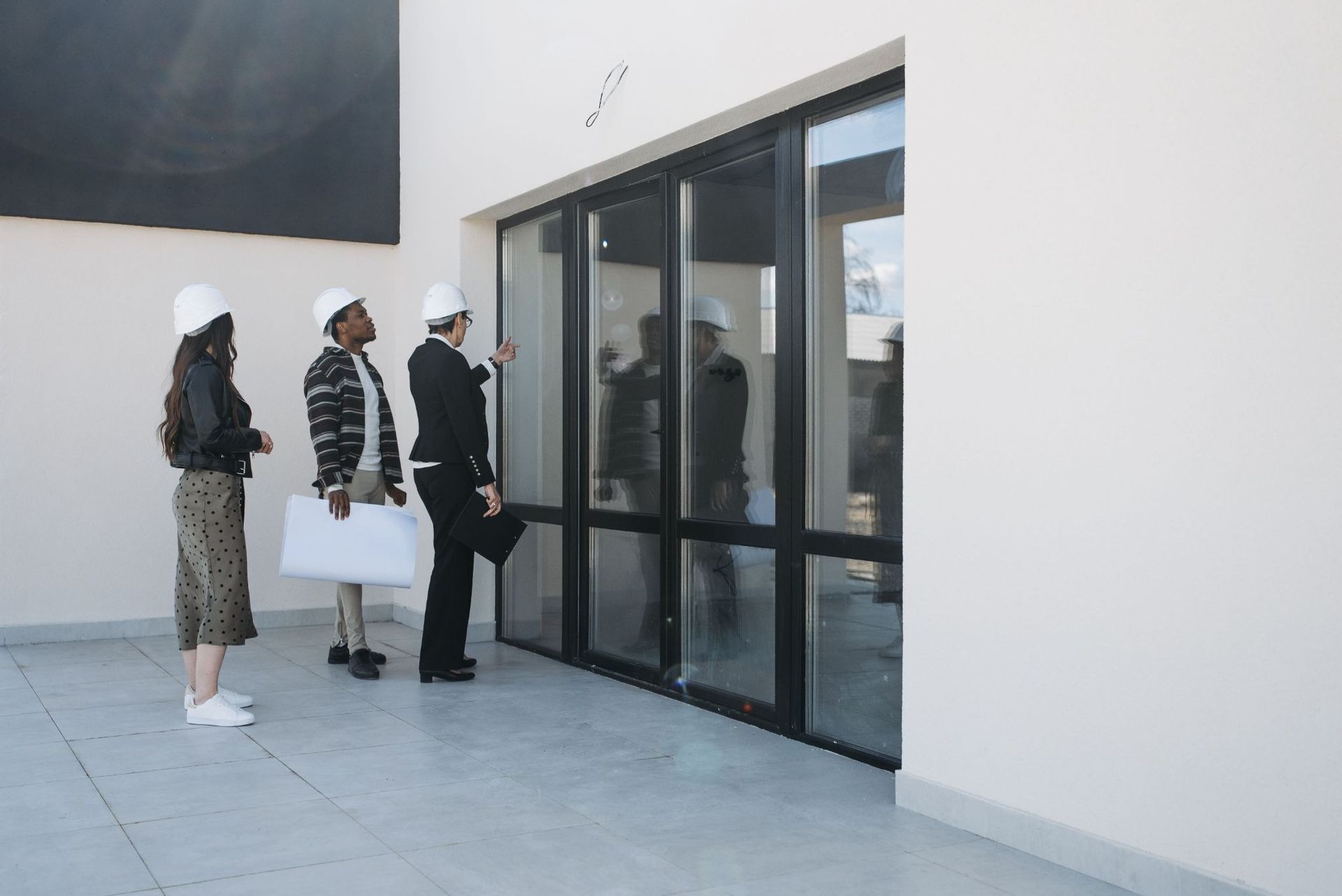
Commercial due diligence should be tailored to the property, but it may include:
- Building and systems inspections
- Roof and HVAC evaluations
- Environmental assessments
- Survey and boundary review
- Title and easement analysis
- Zoning verification
- Permit and code-compliance research
- Utility-capacity review
- Lease and tenant-file review
- Insurance evaluation
- Contractor estimates for planned improvements
The City of Sedona’s Community Development Department oversees planning, building safety and code enforcement. Its permitting resources direct users to zoning applications, development review, conditional-use permits, zoning verification and related processes.
Due diligence is not merely a formality. It is the period in which the buyer confirms that the property, income and proposed use match the assumptions made when negotiating the deal.
Discovering a major issue early can save months of delay and significant expense.
Look Beyond the Public Listing
Commercial transactions are often more complex than the information displayed on a listing page.
A property’s true position in the market may depend on a recently completed sale, a pending transaction, an upcoming listing or a private conversation with an owner. These details can affect pricing strategy and the buyer’s understanding of available alternatives.
McMahon & Miller uses local transaction knowledge, in-house comparable-property information and awareness of off-market activity to evaluate deals from multiple angles.
That level of analysis is especially important in a market where inventory may be too limited for a simple price-per-square-foot comparison to tell the full story.
Why Local Commercial Real Estate Expertise Matters
Any licensed real estate professional may be able to provide access to a listing. The greater value comes from understanding the market surrounding that listing.
McMahon & Miller Commercial Real Estate specializes in commercial sales and leasing in Sedona and the Verde Valley. Broker/Owner Jack McMahon has completed hundreds of commercial sales and leasing transactions since purchasing and rebranding the brokerage in 2019.
The team combines many of the same platforms and analytical tools used by larger brokerage firms with personal service and deeper knowledge of the local market.
That includes familiarity with:
- Local property owners and businesses
- Recent and pending commercial transactions
- Sedona zoning and development considerations
- Property-specific operating histories
- Off-market and upcoming opportunities
- Local buyer and tenant demand
- Issues that may affect transaction timing
When a zoning, market or property question arises, local experience can help a buyer reach the right answer sooner. That can reduce uncertainty, prevent avoidable surprises and keep the transaction moving.
Buyers can meet McMahon & Miller’s local commercial real estate team to learn more about the professionals behind the brokerage.
Explore Commercial Real Estate in Sedona
Commercial real estate in Sedona can provide compelling opportunities for business owners and investors, but every property requires its own analysis.
Local economic activity, tourism and limited inventory may create demand, while zoning, operating expenses, financing and development restrictions can significantly affect a property’s value and usefulness. Buyers who investigate those factors early are better prepared to make confident decisions.
McMahon & Miller brings together local knowledge, data-driven analysis and personal service to help clients evaluate commercial property throughout Sedona, Cottonwood and the Verde Valley.
Explore current Sedona and Verde Valley commercial properties for sale, or contact McMahon & Miller to discuss your intended use, investment criteria and long-term goals.
The right commercial property decision begins with accurate information and a team that understands the local market from every angle.